

Description
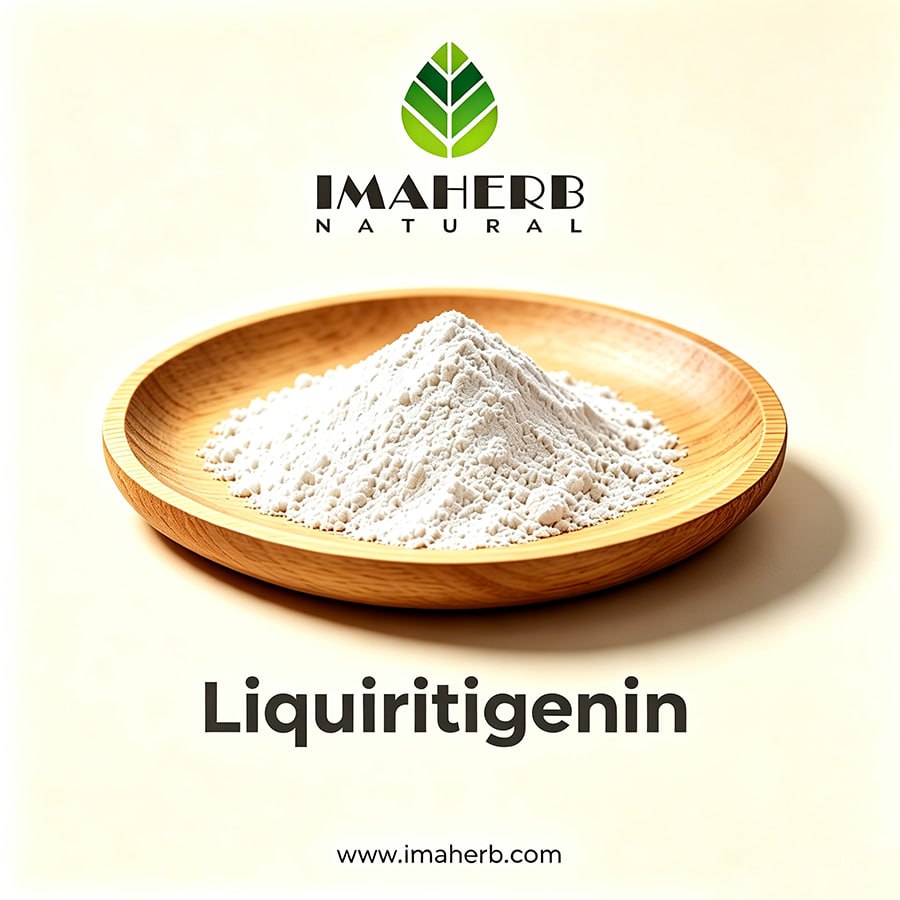
Liquiritigenin (CAS 578-86-9) is a flavanone found in licorice (Glycyrrhiza uralensis) root, valued for anti-inflammatory, antioxidant and skin-soothing activities. It is a key marker for premium licorice-based cosmetic and supplement ingredients.
Physical & Chemical Properties
- INCI: Glycyrrhiza Uralensis Root Extract / Liquiritigenin
- CAS number: 578-86-9
- Appearance: white to off-white powder
- Solubility: soluble in ethanol, methanol and DMSO; slightly soluble in water
- Molecular formula: C15H12O4
- Molecular weight: 256.25
- Source: Glycyrrhiza uralensis root
- Purity: HPLC ≥98%
Key Benefits for Formulation
- Anti-inflammatory: supports soothing skin care
- Antioxidant: protects against oxidative stress
- Skin-soothing: calms irritation and redness
- Licorice marker: key compound for standardization
- High purity: HPLC ≥98%
Main Applications
- Skin care: soothing, anti-redness and antioxidant formulas
- Cosmetic actives: premium licorice-derived ingredient
- Dietary supplements: wellness and antioxidant blends
- Herbal extracts: licorice standardization
- Research: flavanone bioactivity studies
Why Choose Our Bulk Liquiritigenin?
- GMP manufacturing: full quality control from raw material to finished product
- Complete documentation: COA, SDS and heavy metal test reports available on request
- Flexible supply: multiple HPLC purity grades in stock, from R&D samples to mass production
- Export experience: reliable shipping to EU, North America, Australia and Middle East
Recommended Usage
Cosmetics: typical use level 0.1%–1%. Supplements: as directed. Confirm regulatory status for your target market.
FAQ About Wholesale Liquiritigenin
What is the CAS number of Liquiritigenin?
CAS 578-86-9.
What is Liquiritigenin?
A flavanone from licorice (Glycyrrhiza uralensis) root.
What purity is available?
HPLC ≥98%.
Is it water soluble?
It is slightly soluble in water; soluble in ethanol, methanol and DMSO.
What is it used for?
Anti-inflammatory, antioxidant and skin-soothing cosmetic and supplement applications.
Is it the same as Glycyrrhizin?
No — Glycyrrhizin is the triterpene saponin; Liquiritigenin is a flavanone.
Do you provide COA and SDS?
Yes — COA, SDS and heavy metal test reports are available on request.
What is the shelf life?
Typically 24 months stored sealed in a cool, dry place.
Can I get samples?
Yes — trial samples available; terms negotiable with bulk orders.
What are your MOQ terms?
Flexible MOQ, discussed on inquiry.
Start Your Liquiritigenin Bulk Order
Contact our sales team today for spec sheets, samples and bulk pricing — our technical team is ready to support your formulation development.
Read more: B2B guide — Liquiritigenin applications, benefits & EU compliance

There are no reviews yet.