
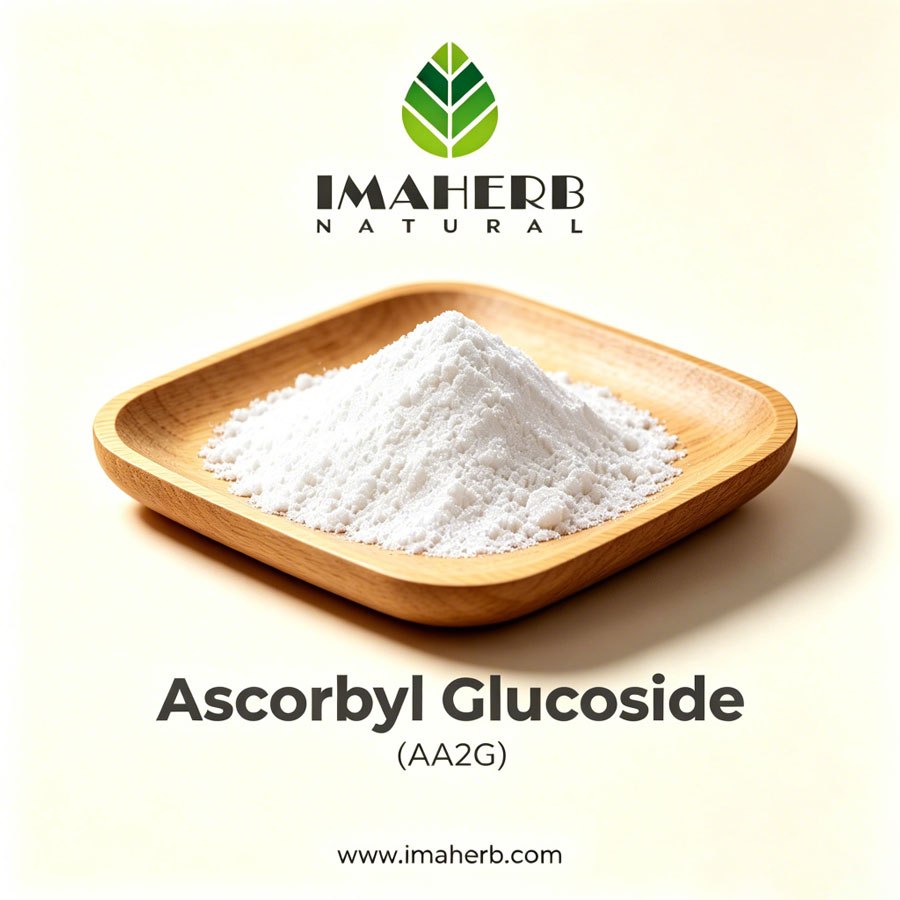
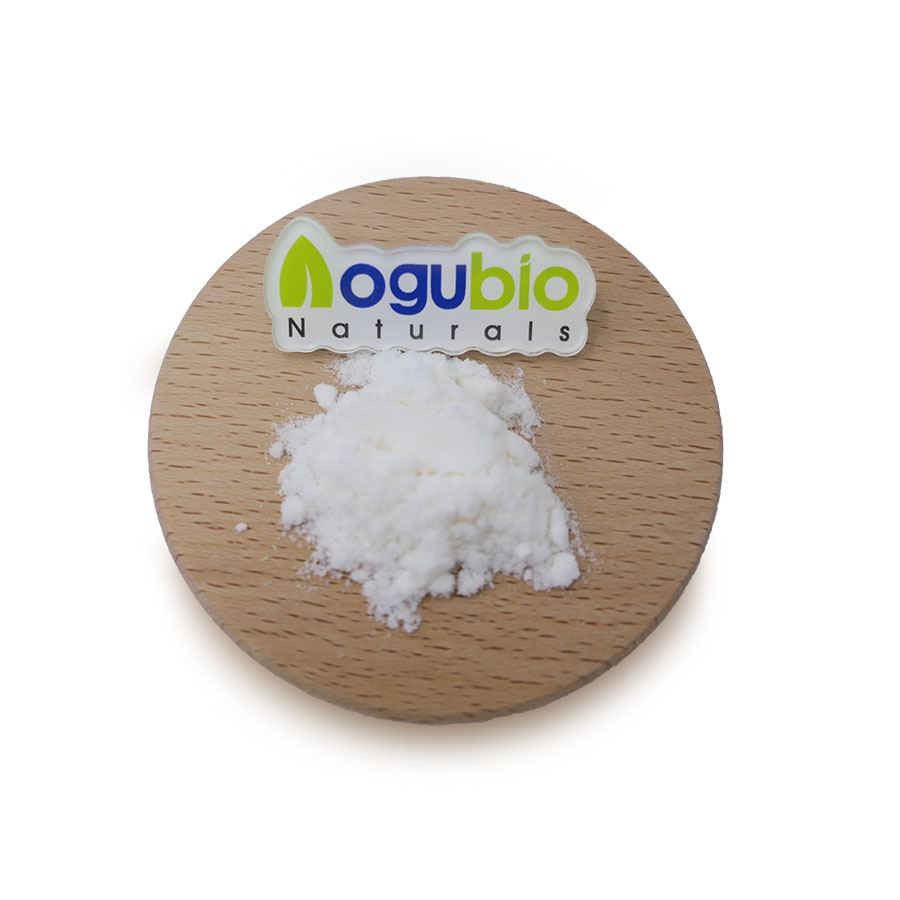
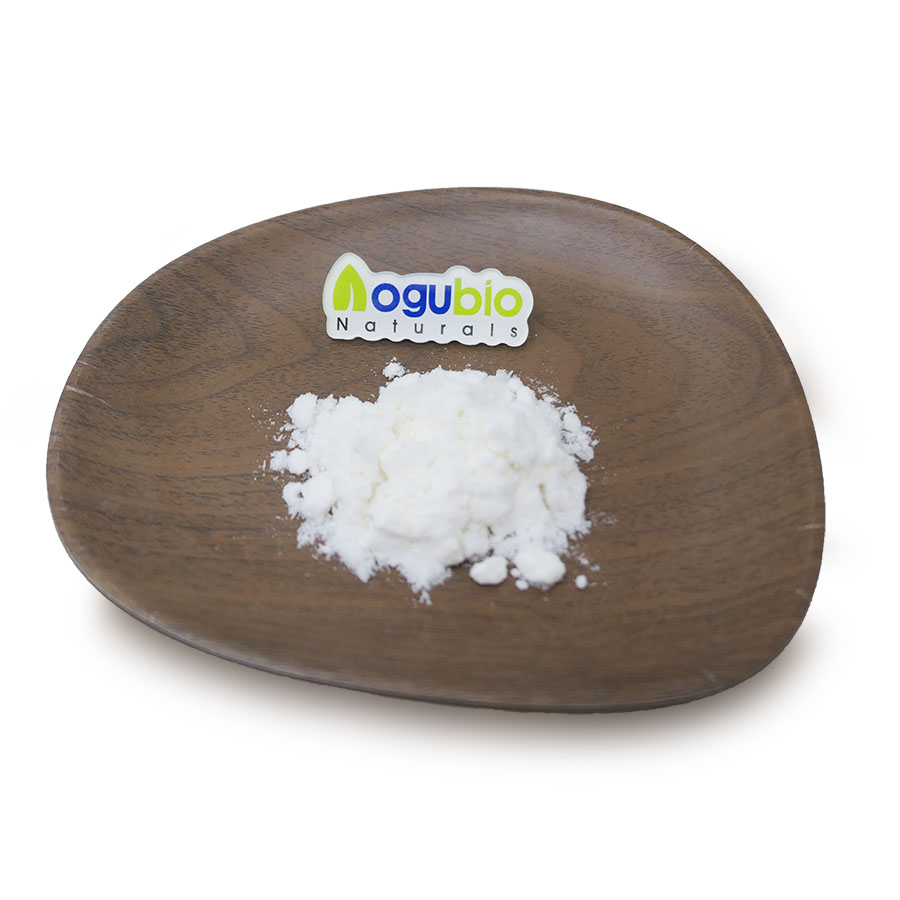
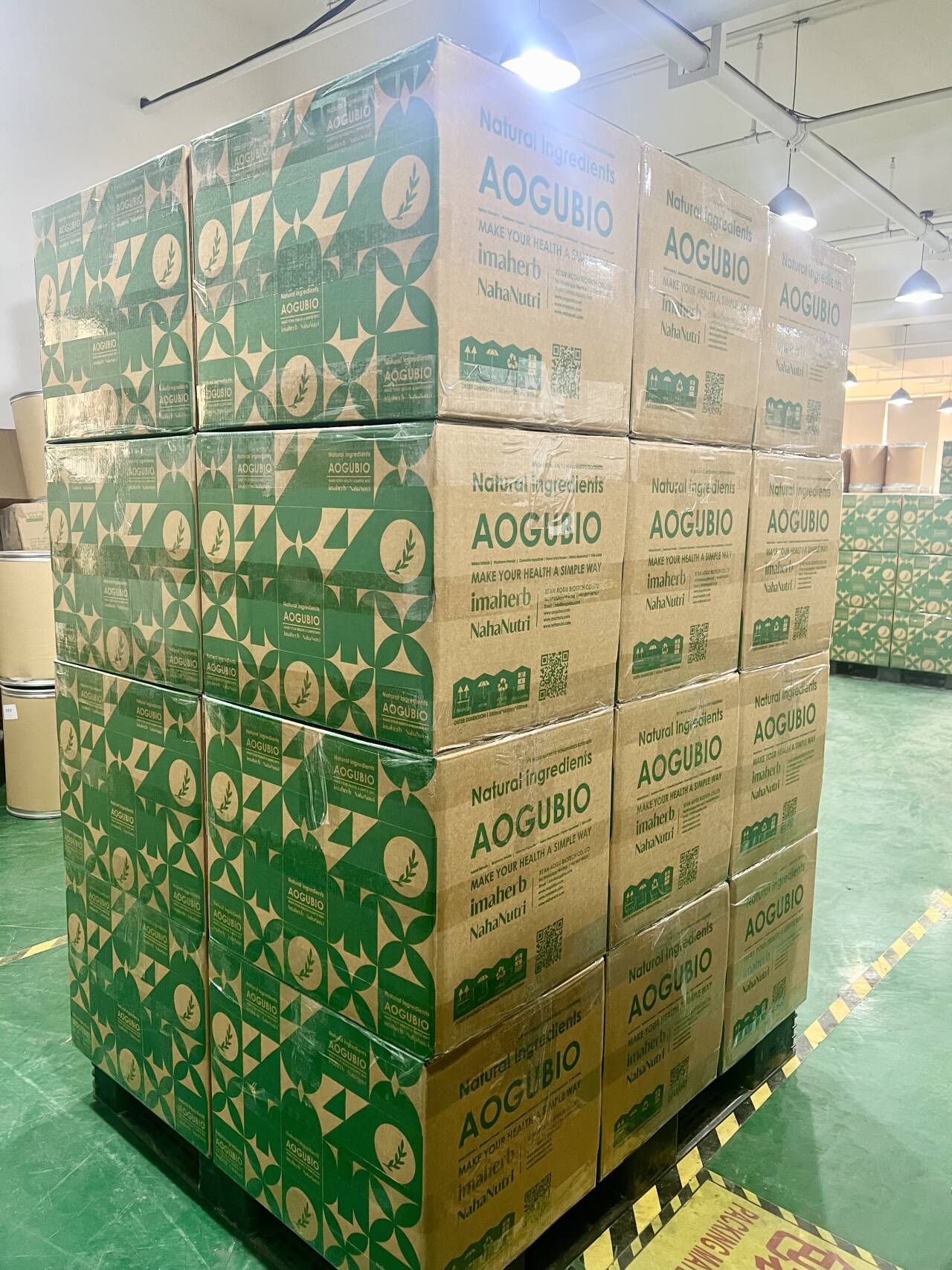

Description
What is Ascorbyl Glucoside (AA2G)
Ascorbyl Glucoside, also written AA2G or ascorbic acid 2-glucoside, is a water-soluble vitamin C derivative in which a glucose unit is bonded to the 2-position of L-ascorbic acid. CAS 129499-78-1, molecular formula C12H18O11, molecular weight 338.26. The glucoside bond protects the enediol group that makes plain L-ascorbic acid unstable, so AA2G holds its activity in aqueous formulas where pure vitamin C would oxidise.
Why formulators choose AA2G
- Water-soluble and easy to formulate – dissolves directly into aqueous phases, gels, essences and serums; no glycol or silicone carrier needed.
- Higher stability than L-ascorbic acid – the glucose block shields the reactive enediol, reducing colour drift in clear aqueous products.
- Skin-compatible release – skin enzymes cleave the glucoside to release ascorbic acid, so the active is delivered rather than washed off.
- Colourless in solution – keeps clear gels and toners visually clean, unlike oxidised vitamin C.
Typical applications
- Brightening serums, essences and toners
- Anti-ageing day and night creams
- Sun-care and post-sun formulas
- Body lotions and hand creams
- Men grooming and after-shave products
Specification snapshot
- CAS No.: 129499-78-1
- Molecular formula: C12H18O11 – MW 338.26
- Appearance: white to off-white powder
- Assay: min. 99% (HPLC)
- Particle size: 95% pass 80 mesh
- Grade: cosmetic grade
Formulation notes
AA2G is normally used at 1-2% in leave-on products and is added to the water phase at room temperature or below 45 C. Because it is a glucoside, it does not acidify the formula the way L-ascorbic acid does, which makes pH balancing easier in clear gels. Run your own stability and compatibility testing before scale-up, particularly in systems containing high levels of electrolytes.
Frequently Asked Questions
Is AA2G the same as vitamin C?
It is a derivative. AA2G is ascorbic acid with a glucose unit attached; skin enzymes release the ascorbic acid after application. It is not a 1:1 replacement on a mg basis, but it is far more stable in water.
Can it be used in clear aqueous gels?
Yes – it is water-soluble and colourless in solution, which is why it is common in clear serums and essences.
What is the usual use level?
Typically 1-2% in leave-on products. Confirm the level against your own stability and challenge testing.
Do you supply documents with the batch?
Yes – COA, MSDS and heavy metal test reports ship with every batch.

There are no reviews yet.